GOP Faces Midterm Messaging Test as New Poll Reveals Voter Uncertainty Over Key Legislative Agenda
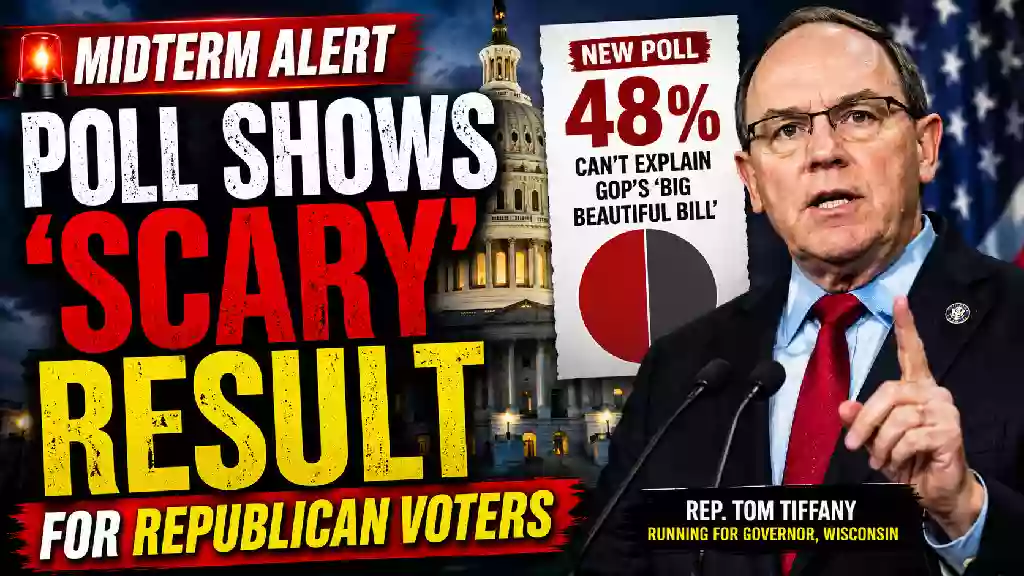
Rep. Tom Tiffany discusses Republican messaging and voter engagement as new polling suggests many Americans remain unfamiliar with the GOP's signature legislative agenda ahead of the 2026 midterm elections.
GOP Faces Midterm Messaging Test as New Poll Reveals Voter Uncertainty Over Key Legislative Agenda
Republican Leaders Push Economic Message as Polling Raises Questions About Voter Engagement
With the 2026 midterm elections rapidly approaching, Republicans are intensifying efforts to defend their narrow majorities in Congress while confronting new polling that suggests many voters remain uncertain about the party’s legislative accomplishments. The findings have prompted renewed discussion over whether the GOP’s economic message is resonating strongly enough with voters before Election Day.
Poll Suggests Many Americans Remain Unfamiliar With GOP Legislation
Recent polling highlighted during a political interview found that nearly half of Americans cannot explain the Republican-backed One Big Beautiful Bill Act. Among respondents who were familiar with the legislation, many said they believed its benefits were helping other people more than themselves, pointing to a potential communication challenge for Republican candidates.
As economic concerns continue to rank among voters’ top priorities, the survey suggests Republicans may need to better connect their legislative agenda with the financial realities facing American households.
Tom Tiffany Says Republicans Must Focus on Household Finances
Wisconsin Congressman Tom Tiffany, who is also running for governor, argued that Republicans should simplify their campaign message by emphasizing how conservative policies can leave more money in the pockets of working families.
Speaking during the interview, Tiffany said voters respond best to clear discussions about affordability, taxes, and government spending rather than complex policy explanations. He maintained that reducing government involvement and limiting tax increases remain central themes of his campaign in Wisconsin.
Tiffany pointed to rising property taxes and higher utility costs in Wisconsin as examples of issues that he believes have made affordability a major concern for residents.
Concerns Grow Over Republican Midterm Turnout
The discussion also referenced an analysis suggesting that roughly one in five reliable Republican voters could be at risk of either not voting in November or supporting Democratic candidates.
Although such findings have raised concerns among some Republican strategists, Tiffany disputed the idea that enthusiasm is weakening in Wisconsin. He said grassroots support remains strong and argued that many voters are motivated by concerns over the direction of Democratic policies.
With control of Congress expected to be decided by a relatively small number of competitive races, turnout among Republican voters could prove critical in determining the balance of power after the election.
Wisconsin Governor’s Race Emerges as National Battleground
Attention also turned to Wisconsin’s gubernatorial contest, where Tiffany is seeking the Republican nomination.
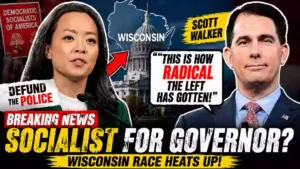
Polling referenced during the interview showed Democratic candidate Francesca Hong leading the Democratic field in voter favorability, according to a Marquette University survey discussed during the program.
Tiffany argued that Democratic primary voters have increasingly embraced more progressive candidates while asserting that many Wisconsin voters outside the Democratic base remain cautious about expanding government programs.
Because Wisconsin is expected to remain one of the nation’s most closely contested battleground states, both parties are expected to invest significant resources in the race throughout the campaign season.
Competing Visions Take Center Stage
Throughout the interview, Tiffany framed the election as a choice between limited government and expanded public programs.
He argued that higher property taxes, increased utility costs, and broader government spending demonstrate the financial consequences of larger government, while urging Republicans to focus on practical examples that voters experience in their daily lives.
According to Tiffany, campaign messaging should connect policy decisions directly to issues such as housing affordability, energy prices, and overall cost of living.
Republicans Look to Sharpen Their Election Message
As campaigning accelerates, Republicans face the challenge of persuading voters that their legislative agenda delivers tangible economic benefits. The polling discussed during the interview suggests that while many Americans remain focused on inflation and affordability, not all voters clearly associate recent Republican legislation with improvements in their own financial situation.
Political analysts will be watching closely to see whether Republicans can strengthen that connection before ballots are cast in November.
Election Outlook
With less than 100 days remaining before the midterms, both Republicans and Democrats are refining their campaign strategies in anticipation of highly competitive races across the country.
Economic performance, voter turnout, and effective communication of policy priorities are expected to remain among the defining issues of the 2026 campaign. Whether Republicans can successfully translate their legislative record into a compelling message for voters may play a significant role in determining the outcome of the elections.
#GOP #MidtermElections #Election2026 #Politics #Wisconsin #TomTiffany #Congress #VoterTurnout #Economy #PoliticalNews